
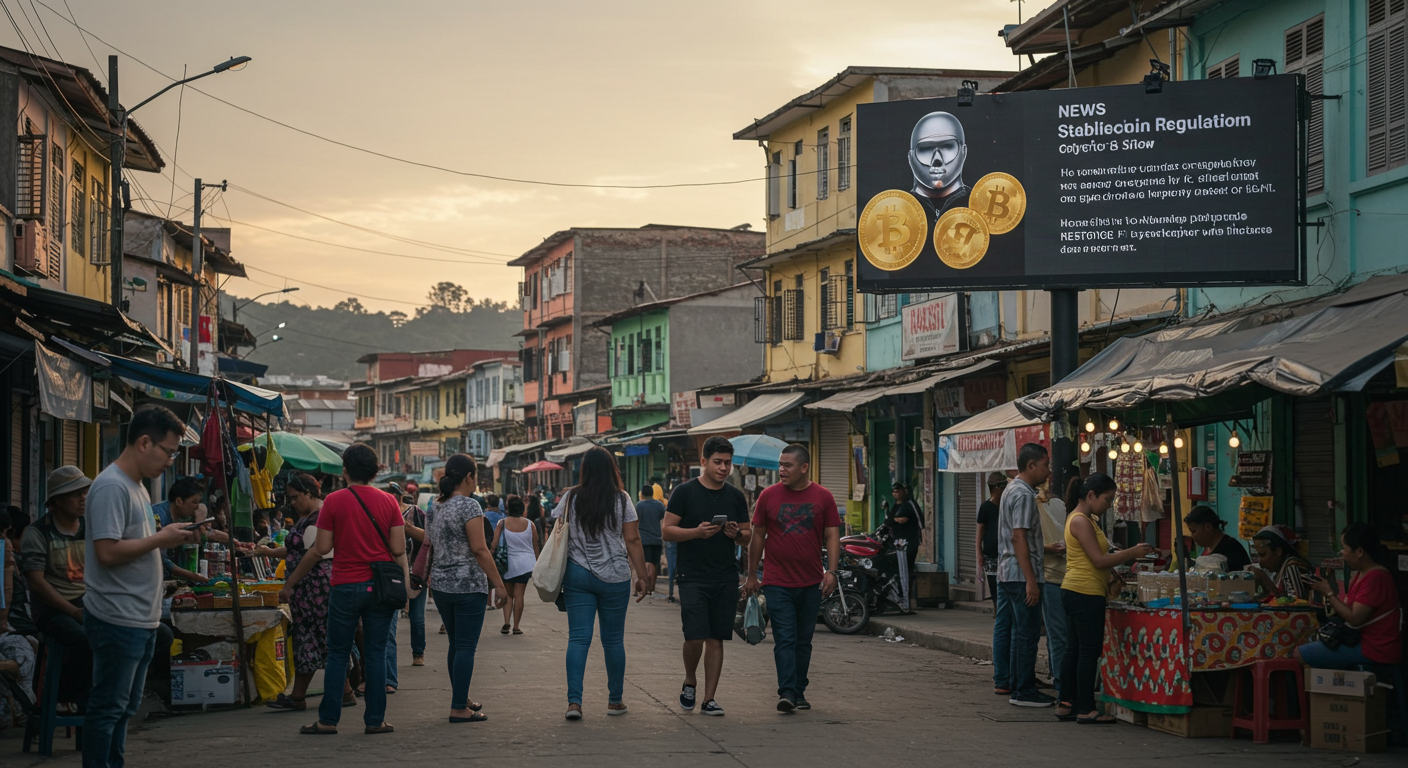
How Stablecoin Regulation Is Fueling Crypto Adoption in Emerging Markets
- Posted on: July 21, 2025
Introduction: A Financial Revolution in the Making
Stablecoins — digital currencies pegged to fiat money like the U.S. dollar — have transformed how people in emerging markets save, trade, and move money. In Africa, especially countries like Nigeria, Ghana, Kenya, and South Africa, they’ve become a lifeline in the face of currency devaluation, inflation, and broken banking systems.
But for years, their adoption has been driven more by necessity than trust.
Now, that’s changing.
Global regulatory frameworks — especially from powerful economies like the U.S. and EU — are beginning to legitimize stablecoins through structured laws and oversight. And as this legal clarity grows, so does user confidence, especially in developing markets where trust is critical to adoption.
What’s Happening Globally?
Major economies are moving fast to define and regulate stablecoins. Here's a quick snapshot:
U.S. — The GENIUS Act (2025)
The GENIUS Act is the first U.S. law to directly regulate payment stablecoins. It demands:
- 1:1 dollar or Treasury reserves
- Monthly audits and public disclosures
- Licensing for issuers (state and federal tiers)
- AML compliance and sanctions enforcement
This sends a clear message: Stablecoins are here to stay — but only the transparent, compliant ones.
EU — MiCA (Markets in Crypto-Assets)
The European Union’s MiCA framework, adopted in 2024, also introduced licensing for stablecoin issuers, reserve requirements, and anti-manipulation rules.
Both of these frameworks are pushing the crypto industry toward more accountability, transparency, and security.
Why Stablecoin Regulation Matters in Africa
Africa is already a leader in peer-to-peer (P2P) crypto adoption, and stablecoins like USDT (Tether), USDC (USD Coin), and BUSD (formerly from Binance) are at the center of it. But with regulation, several key changes are accelerating adoption:
1. Increased Trust and Credibility
In countries like Nigeria, people often ask:
“Is this coin backed by real money?”
With new laws mandating regular audits, reserve reports, and issuer accountability, traders now have legal proof that leading stablecoins are actually backed by fiat currency.
This is making stablecoins less “crypto” in perception and more like digital dollars — and that changes everything.
2. More User-Friendly On-Ramps
As global regulation matures, banks and fintech companies are more willing to partner with stablecoin projects.
This opens doors for:
- Wallet integrations (like PayPal and Visa working with USDC)
- Stablecoin debit cards
- Easier conversions between local currency and crypto
For African users, this means fewer shady exchanges and more reliable platforms, both local and global.
3. Cross-Border Freedom
Sending money from Nigeria to Kenya, Ghana, or even China is complicated — and often expensive.
Stablecoins offer fast, cheap, borderless payments. But with stronger regulation, international businesses and platforms are now more likely to accept regulated stablecoins like USDC, increasing their utility.
This is a game-changer for:
- Freelancers
- Import/export traders
- Students abroad
- African startups with global clients
4. Safer Savings in Inflationary Economies
Countries like Zimbabwe and Nigeria have suffered double- or triple-digit inflation. Saving in naira or local currency becomes a losing game.
With regulation making USD-pegged stablecoins more trustworthy, more Africans are choosing to:
- Save in stablecoins
- Hedge against local economic instability
- Access “digital dollars” without needing a U.S. bank account
Real-World Example: Nigeria’s Crypto Boom
Even before regulation, Nigeria ranked among the top crypto-using nations globally, with P2P volumes in the hundreds of millions monthly. Now, with stronger stablecoin oversight globally, Nigerian platforms like EootleX, Patricia, and Binance P2P are offering more confidence and better user experience.
Add the naira’s continued volatility, and regulated stablecoins are fast becoming the new savings accounts for everyday Nigerians.
Challenges to Watch
While stablecoin regulation is largely positive, it's not without risks:
- Overregulation could limit innovation in some markets
- Global policies may favor U.S.-backed tokens, sidelining Africa-focused stablecoins or local digital currencies
- Central Bank pushback — Some African governments may feel threatened by dollar-backed tokens and limit their use
Still, the overall trajectory is toward acceptance, integration, and smarter oversight.
What’s Next?
As stablecoin laws mature in the West, Africa is likely to:
- Develop its own regulatory standards (CBN is already exploring licensing frameworks)
- See more fintech–crypto partnerships
- Adopt stablecoin rails for everyday banking, savings, and remittances
Regulation doesn’t always mean restriction — sometimes, it’s a passport to legitimacy.
In the case of stablecoins, it’s fueling one of the most powerful revolutions in African finance: digital dollars in the hands of everyday people.
As more governments regulate, African users benefit from more access, more protection, and more opportunities. The key is staying informed, choosing compliant platforms, and using crypto tools that empower—not endanger—your financial future.
Ready to start using stablecoins safely?
Platforms like EootleX offer secure and easy access to regulated stablecoins like USDT and USDC — making it easier than ever to send, save, and invest.