
Regional Events & Natural Disasters
- Posted on: December 14, 2025
Regional Events & Natural Disasters: Major Earthquake in Japan
Japan recently experienced a major earthquake, once again highlighting the country’s exposure to powerful natural forces. The quake was felt across multiple regions, disrupting daily life and prompting swift emergency responses from authorities.
What Happened
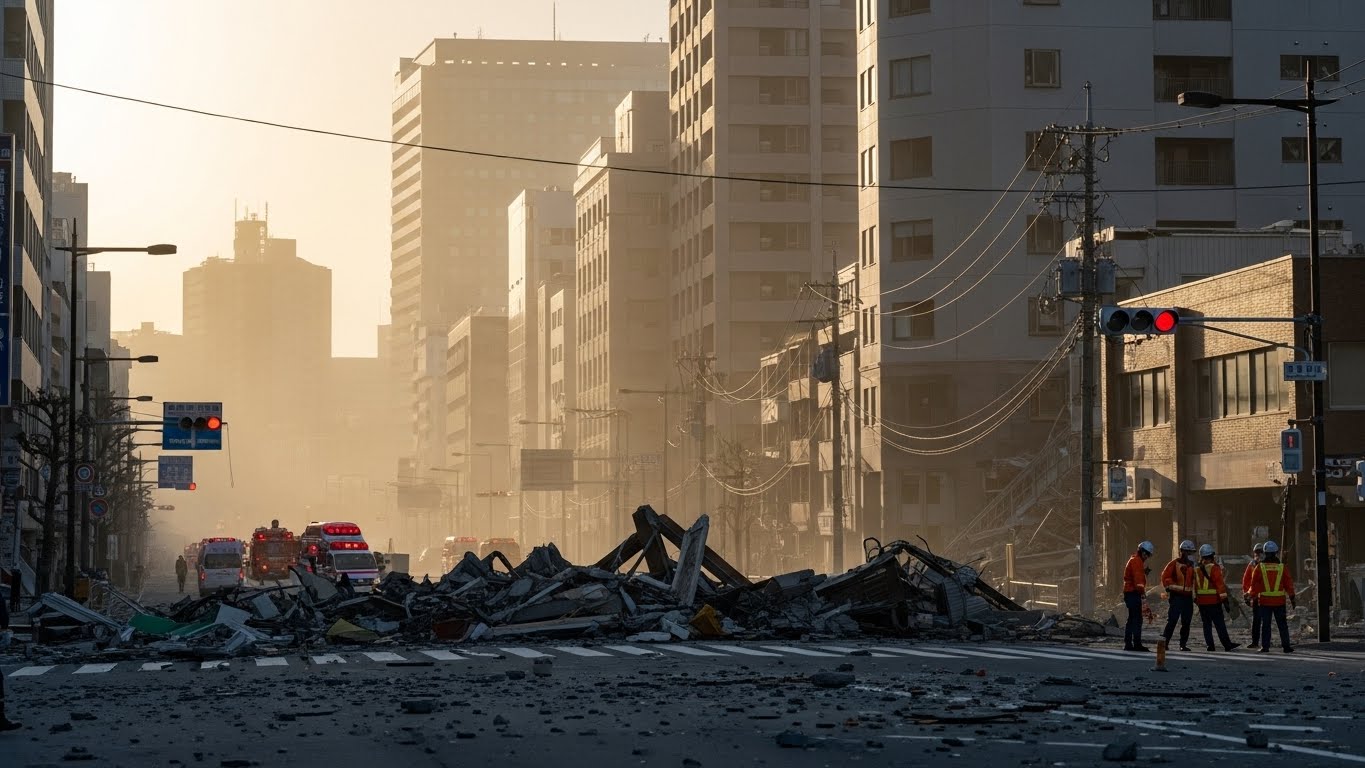
The earthquake struck suddenly, triggering emergency alerts and shaking buildings across affected areas. Transportation services were temporarily suspended, and residents were advised to remain alert for aftershocks. Although damage varied by location, the event caused injuries and structural damage in some communities.
Japan’s advanced early warning systems played a crucial role by giving people precious seconds to take cover and prepare, helping to reduce panic and potential harm.
Why Earthquakes Are Common in Japan
Japan is located along the Pacific Ring of Fire, an area where several tectonic plates meet. This makes the country one of the most earthquake-prone regions in the world. While many quakes are small, larger ones can have serious impacts, especially in densely populated areas.
Because of this constant risk, Japan has developed some of the world’s strongest earthquake preparedness measures.
Impact on Communities
The earthquake affected homes, roads, and public services. Some areas experienced power outages, while schools and businesses were temporarily closed for safety checks. Emergency shelters were opened to support people who were unable to return home.
Local authorities and rescue teams acted quickly to assess damage and provide assistance where needed.
Emergency Response and Preparedness
Japan’s response demonstrated its strong disaster management system. Emergency crews, medical teams, and government agencies coordinated efforts to protect lives and restore services. Regular disaster drills and strict building standards helped limit the overall impact.
Regional and Global Attention
Major earthquakes in Japan often draw international attention due to the country’s global economic role. Neighboring countries and international organizations expressed concern and offered support, reinforcing the importance of global cooperation during natural disasters.
The major earthquake in Japan serves as a powerful reminder of nature’s unpredictability. While the event caused disruption and damage, Japan’s preparedness, quick response, and community resilience helped manage the crisis. As recovery continues, the experience emphasizes the importance of readiness, cooperation, and learning from natural disasters to better protect lives in the future.