
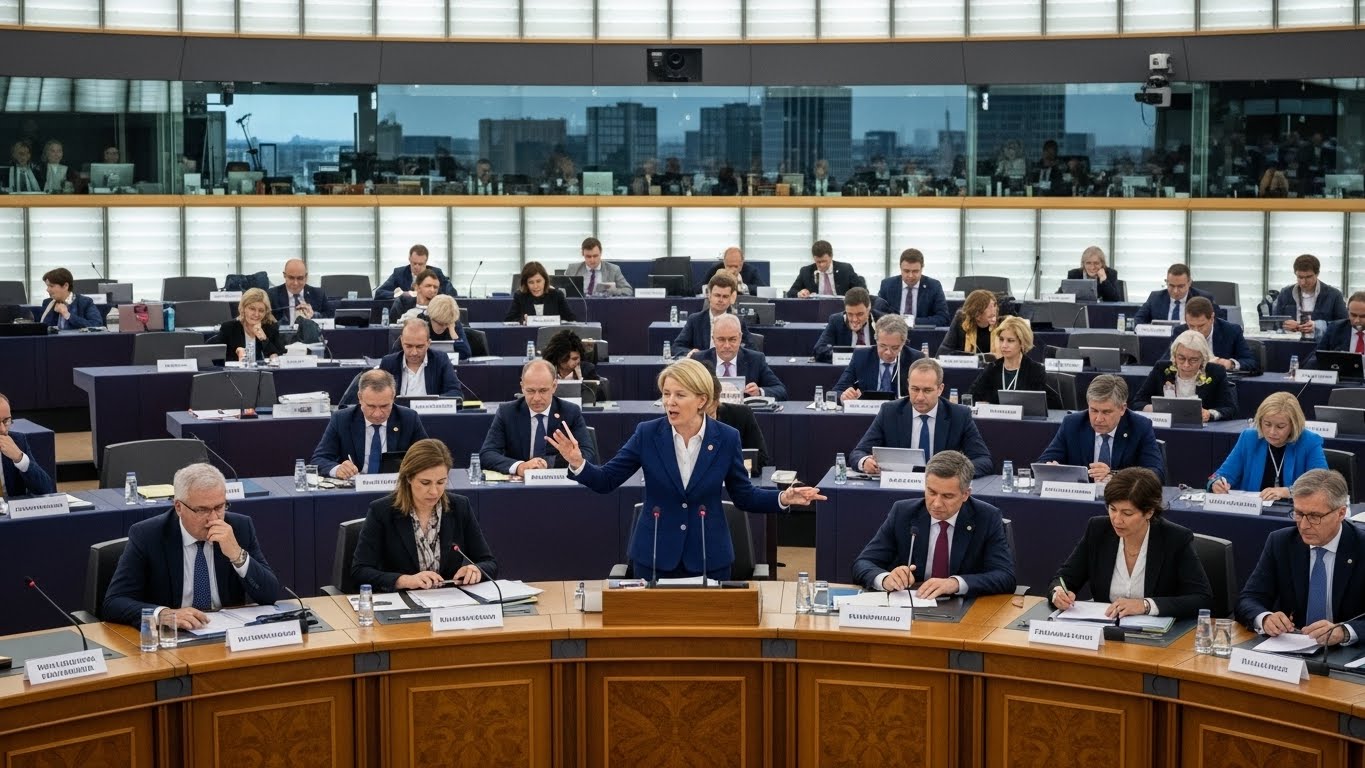
European Leaders Debate Using Frozen Russian Assets to Support Ukraine’s Defense
- Posted on: December 18, 2025
European Leaders Debate Using Frozen Russian Assets to Support Ukraine’s Defense
European leaders are engaged in intense discussions over whether frozen Russian state assets should be used to help finance Ukraine’s defense and reconstruction, a move that could significantly alter the legal and geopolitical landscape of the war.
The proposal, which has gained renewed momentum amid funding pressures and ongoing fighting in Ukraine, raises complex questions about international law, economic stability, and political precedent.
What Are the Frozen Russian Assets?
Since the start of the Russia-Ukraine war, Western countries have frozen hundreds of billions of euros in Russian central bank and state-linked assets, much of which is held within European financial institutions. These assets were immobilized as part of coordinated sanctions aimed at weakening Russia’s ability to fund its military operations.
While the funds remain frozen, they technically still belong to Russia under international law, making any move to repurpose them legally sensitive.
The Proposal on the Table
Some European governments argue that the assets should be seized or redirected to support Ukraine’s defense efforts and post-war reconstruction. Supporters say this would:
Help close funding gaps for Ukraine
Reduce the financial burden on European taxpayers
Hold Russia financially accountable for the destruction caused by the war
They also point to the moral argument that Russia should pay for the damage linked to its military actions.
Concerns and Opposition
Other European leaders and financial experts urge caution, warning that seizing sovereign assets could:
Undermine confidence in Europe’s financial system
Set a precedent that weakens protections for foreign reserves
Trigger legal challenges and retaliatory actions
There are also fears that such a move could destabilize global markets or encourage countries to withdraw reserves from European banks.
Legal and Diplomatic Challenges
International law traditionally protects sovereign state assets from confiscation. Legal experts say that repurposing the funds would require either:
New legal frameworks at the EU level
International agreements
Or linking asset use to future war reparations rulings
Diplomatically, the debate risks further escalating tensions with Moscow and complicating any future peace negotiations.
What This Means for Ukraine
For Ukraine, access to these funds could provide a critical boost to military defense, humanitarian relief, and infrastructure rebuilding. Ukrainian officials have strongly backed the proposal, arguing that delayed action benefits Russia and prolongs the war.
The debate over frozen Russian assets highlights the difficult balance Europe faces between justice, legality, and economic stability. As leaders weigh their options, the decision could redefine how sanctions are enforced and how future conflicts are financed. Whatever the outcome, the discussion marks a pivotal moment in Europe’s response to the war in Ukraine.