
Sydney Protests Erupt Over Proposed Anti-Protest and Hate-Speech Laws After Bondi Attack
- Posted on: December 22, 2025
Sydney Protests Erupt Over Proposed Anti-Protest and Hate-Speech Laws After Bondi Attack
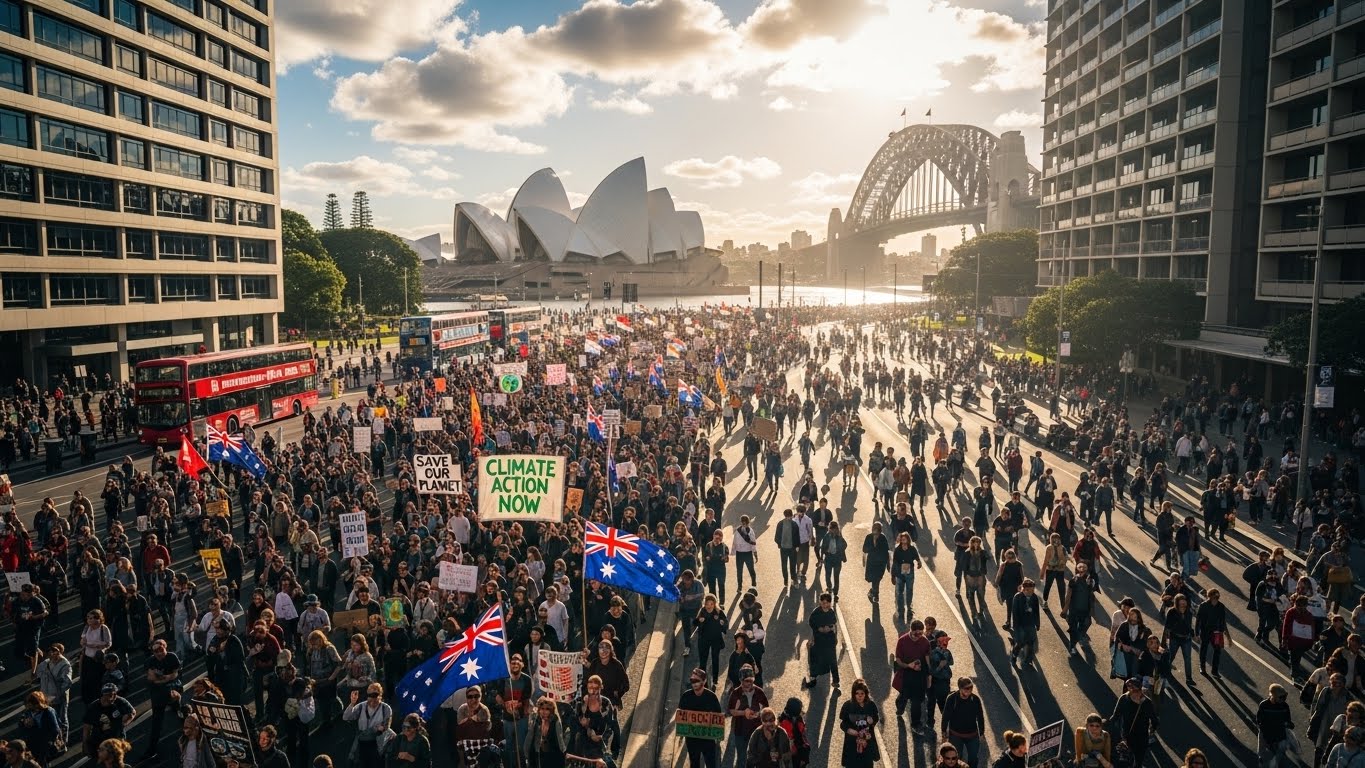
Sydney has become the focal point of a growing national debate as thousands of protesters take to the streets opposing proposed anti-protest and hate-speech laws, introduced in the aftermath of the Bondi attack. While authorities argue the measures are necessary to strengthen public safety, critics warn they risk undermining civil liberties and democratic freedoms.
The Catalyst: Security After Shock
The Bondi attack sent shockwaves across Australia, prompting urgent calls for action to prevent future violence. In response, lawmakers proposed tougher legislation aimed at curbing hate speech and limiting certain forms of public protest deemed disruptive or dangerous.
Government officials maintain that the proposals are designed to protect communities, reduce incitement, and give police clearer powers to respond swiftly to threats. “Public safety must come first,” supporters argue, especially in moments of national trauma.
Protesters Push Back
Opponents see the laws differently. Demonstrators gathering near Sydney’s Town Hall and other central locations say the proposals go too far—blurring the line between security and suppression. Civil rights groups, activists, and legal experts fear the legislation could:
Criminalize peaceful protest
Grant overly broad police powers
Chill free speech and political dissent
Placards reading “Security Without Silence” and “Protect Rights, Not Fear” reflect a broader concern: that emergency-driven laws may outlast the crisis that inspired them.
Civil Liberties vs. Security
Australia has long prided itself on robust democratic norms, but the current debate highlights a familiar global tension—how to balance safety with freedom. Supporters of the laws point to rising extremism and online hate, arguing that inaction leaves communities vulnerable. Critics counter that existing laws already address violence and incitement, and that expanding state power risks abuse.
Legal analysts note that vague definitions around “disruptive protest” or “harmful speech” could invite inconsistent enforcement, disproportionately affecting minority and activist groups.
Political and Public Repercussions
The protests have intensified pressure on state leaders, with opposition parties calling for greater consultation and safeguards. Some lawmakers have signaled openness to amendments, while others remain firm, citing public demand for decisive action after the Bondi tragedy.
Public opinion appears divided—many Australians want stronger protections against violence, but not at the cost of fundamental rights.
A Defining Moment
As demonstrations continue, Sydney’s protests represent more than opposition to a single bill. They mark a defining moment in Australia’s ongoing negotiation between liberty and security. The outcome—whether compromise, revision, or stalemate—will likely shape how the nation responds to future crises.
In the wake of tragedy, the challenge remains clear: can Australia enhance safety while preserving the freedoms that underpin its democracy?