
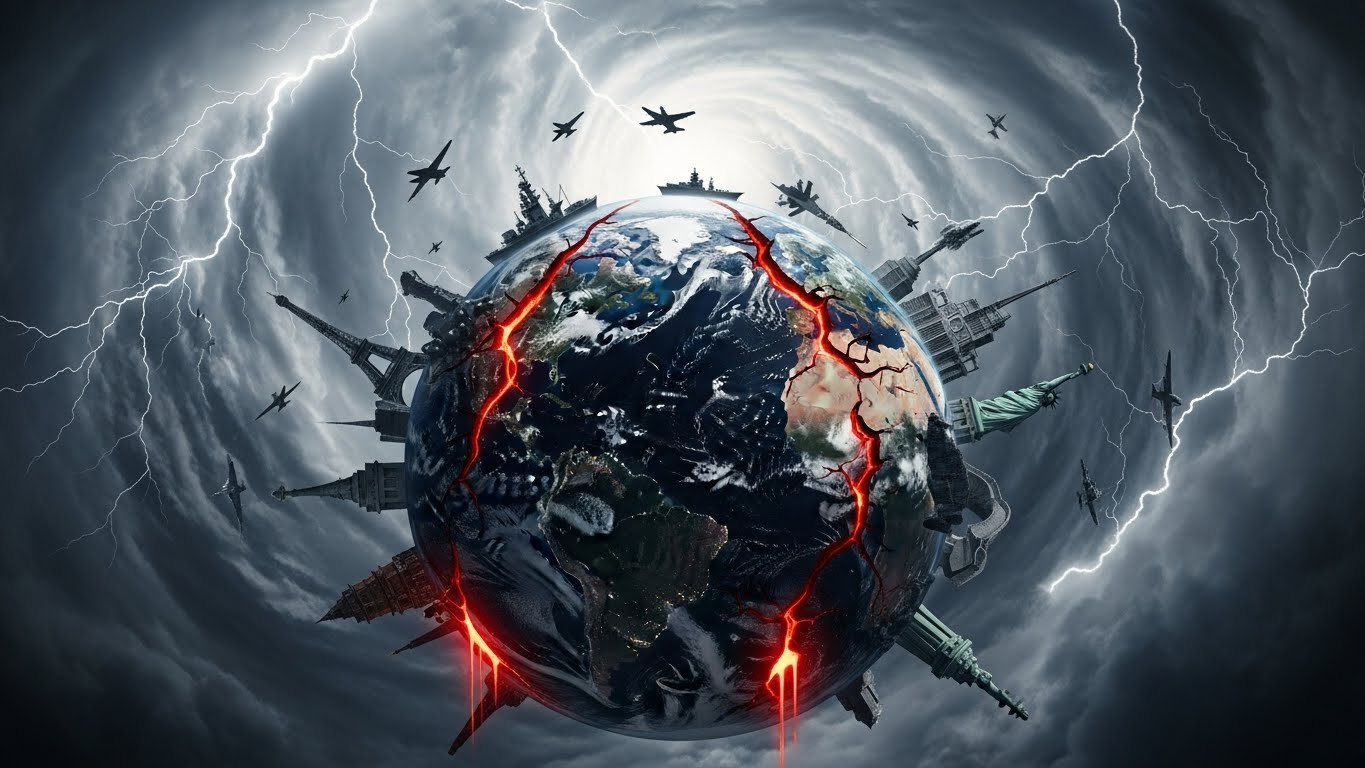
Rising Conflicts Across Regions Highlight Growing Global Tensions
- Posted on: December 24, 2025
Rising Conflicts Across Regions Highlight Growing Global Tensions
Recent conflicts and tragic incidents spanning Afghanistan–Pakistan, escalating violence in Mexico, and the deaths of migrants off the coast of Greece underscore a troubling reality: international tensions are intensifying across multiple regions at once. Though geographically distant, these crises are interconnected by deeper issues of instability, insecurity, and humanitarian strain.
Afghanistan–Pakistan: A Fragile Border Under Pressure
Tensions along the Afghanistan–Pakistan border have flared once again, fueled by militant activity, cross-border accusations, and military responses. Both nations accuse armed groups of operating across the frontier, leading to deadly confrontations and civilian displacement.
The border region, long plagued by instability, remains vulnerable due to weak governance, economic hardship, and unresolved security challenges following shifts in regional power dynamics. Civilians continue to bear the brunt, caught between political disputes and armed violence.
Mexico: Violence Deepens Amid Criminal Power Struggles
In Mexico, ongoing violence linked to organized crime continues to claim lives and destabilize communities. Clashes between rival criminal groups and confrontations with security forces have intensified in several regions, highlighting the enduring challenge of cartel influence.
Despite government efforts to restore order, violence remains deeply rooted in socioeconomic inequality, corruption, and demand-driven criminal networks. The situation has also affected migration patterns, as many citizens flee insecurity in search of safety elsewhere.
Migrant Tragedy Off Greece: A Humanitarian Crisis at Sea
Meanwhile, the deaths of migrants off the coast of Greece have once again brought global attention to the dangers faced by those attempting perilous sea crossings. Overcrowded boats, poor weather conditions, and limited rescue capacity continue to turn migration routes into deadly corridors.
These tragedies reflect broader failures in international cooperation on migration, asylum processing, and conflict prevention in migrants’ countries of origin. Each loss of life adds urgency to calls for safer pathways and shared responsibility among nations.
A Common Thread: Global Instability
While these events differ in context, they share common roots—political instability, economic hardship, weak institutions, and unresolved conflicts. Together, they paint a picture of a world grappling with overlapping crises rather than isolated incidents.
The ripple effects are global: increased migration flows, strained diplomatic relations, humanitarian emergencies, and rising security concerns that extend far beyond national borders.
The Road Ahead
Addressing these challenges will require coordinated international responses that prioritize diplomacy, development, and humanitarian protection alongside security measures. Without sustained engagement, such crises risk becoming normalized, further eroding global stability.
As conflicts simmer and tragedies unfold across continents, the world is reminded that international tensions are no longer confined to specific regions—they are shared challenges demanding collective solutions.